

Everything Changes
What Impermanence Really Means
29 June 2026
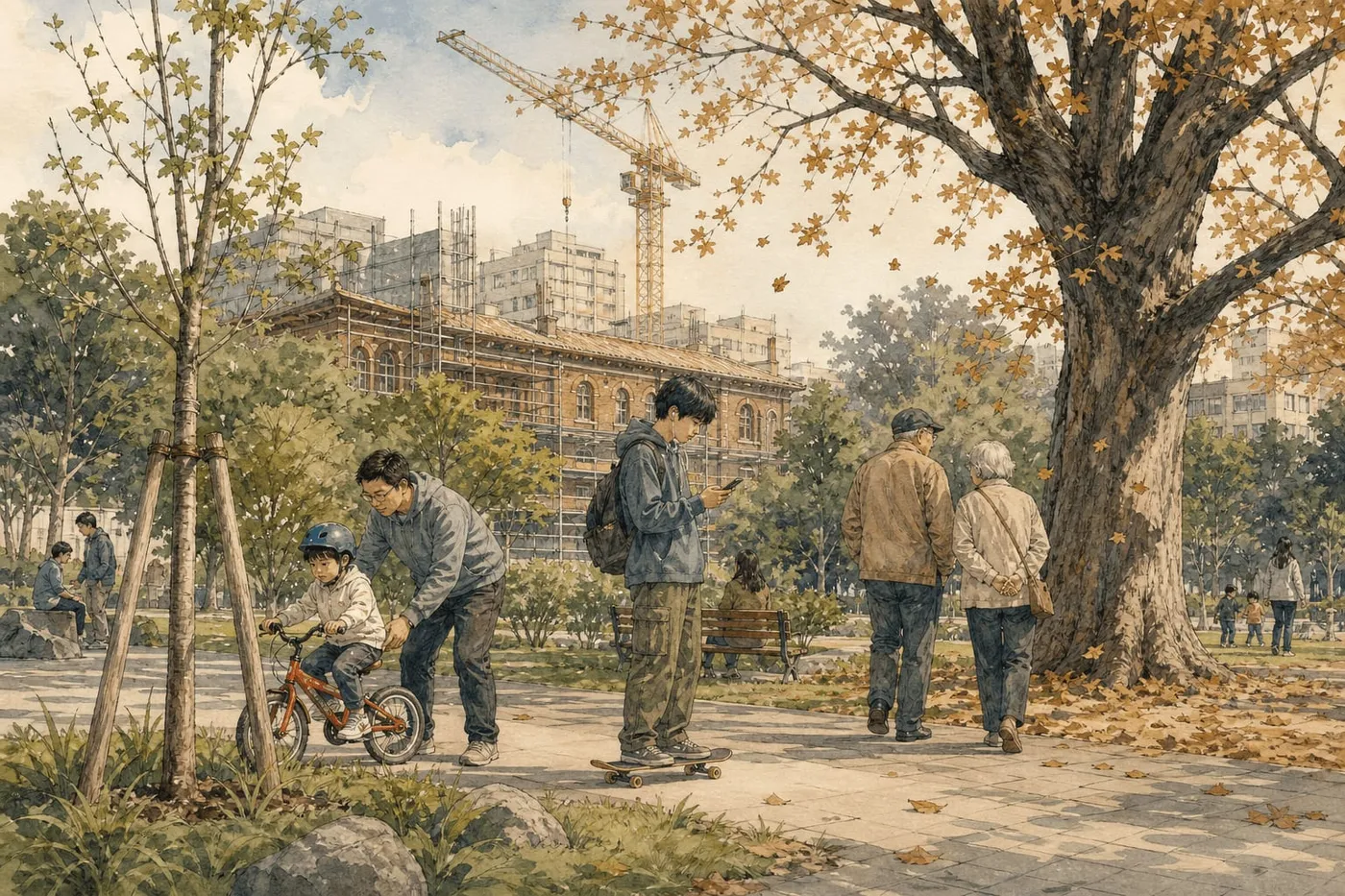
Few Buddhist teachings are as simple—or as profound—as impermanence. Everything that arises because of causes and conditions eventually changes. Flowers bloom and fade. Buildings age. Bodies grow stronger and weaker. Friendships develop. Children become adults. Civilisations rise and fall. Ideas that once seemed permanent disappear.
We know this intellectually. Yet much of our suffering comes from living as though it were not true. We are surprised when our bodies age. We feel betrayed when circumstances change. We sometimes expect people to remain exactly as they were when we first knew them.
The Buddhist teaching of impermanence, anitya, is therefore not merely an observation about the world. It asks us to examine how deeply we resist change. At first, impermanence can sound pessimistic. If everything changes, why become attached to anything? But Buddhism draws almost the opposite conclusion.
Because things change, transformation is possible. A painful emotion does not last forever. A difficult period in our life does not remain identical forever. Habits can change. People can learn. Societies can change. Even the state of our own mind is not fixed.
Imagine being angry. In the middle of anger, the emotion may feel enormous and permanent. Yet if we observe carefully, we discover that it moves. Its intensity changes. Thoughts feed it. Bodily sensations accompany it. Eventually another state of mind appears.
Recognising impermanence creates space. Instead of thinking, “I am an angry person,” we can notice, “Anger is present.” Instead of believing, “This sadness will never end,” we can recognise, “This too is changing.” Impermanence also teaches appreciation. If a moment could last forever, perhaps we would never value it.
A conversation with an elderly parent, children playing in the garden, the first warm day of spring, a meal shared with friends—all become precious partly because they will not occur in exactly the same way again.
The Buddhist response to impermanence is therefore neither despair nor indifference. It is presence. When we understand that something is temporary, we can meet it more fully while it is here.
A thought to carry with you
When something pleasant changes, remember impermanence.
When something painful seems endless, remember impermanence then too.
Connection to the Buddhist Path
Impermanence (anitya) is one of Buddhism’s fundamental insights into conditioned existence. Everything that depends upon causes and conditions must eventually change. Understanding this is important not simply as philosophy but as a way of loosening attachment: when we stop expecting people, possessions, emotions and circumstances to remain unchanged, we can relate to them with greater wisdom. At Dzongkar Choede, impermanence is examined analytically in meditation and is also given physical expression through sacred practices such as the creation and deliberate dissolution of a sand mandala.
Explore further: Meditation & Inner Practice · Rituals & Sacred Arts